
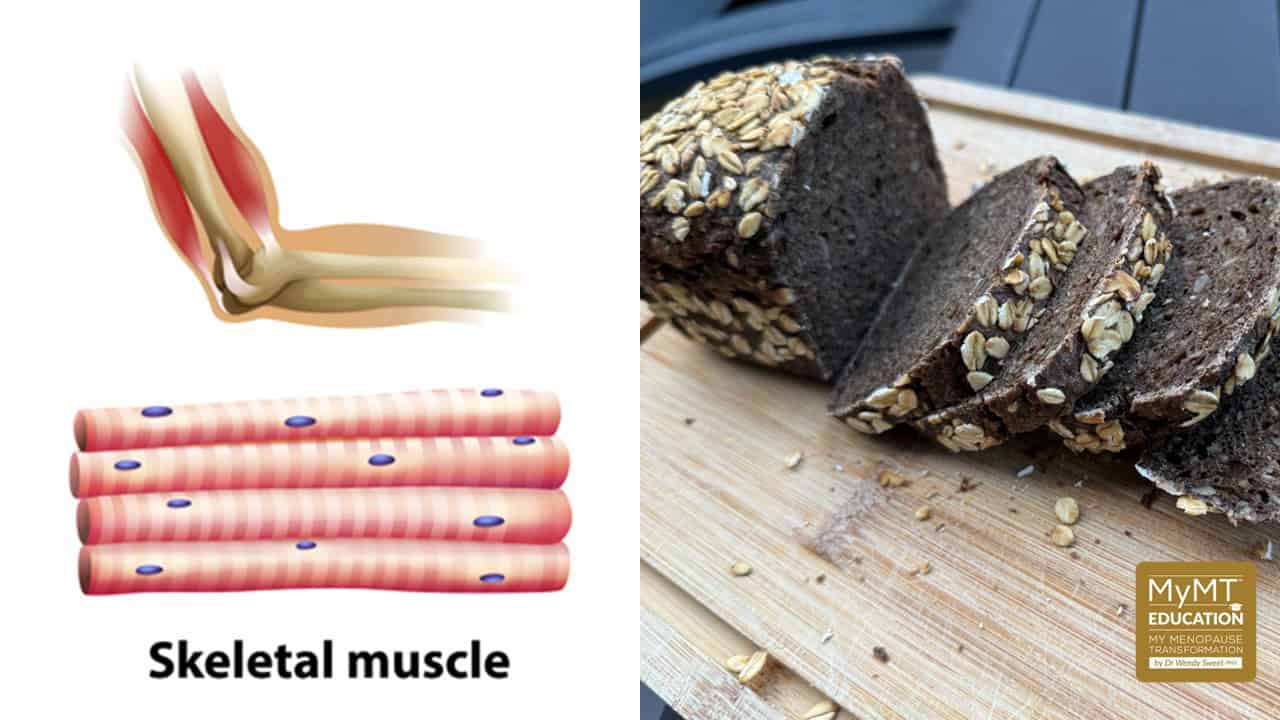
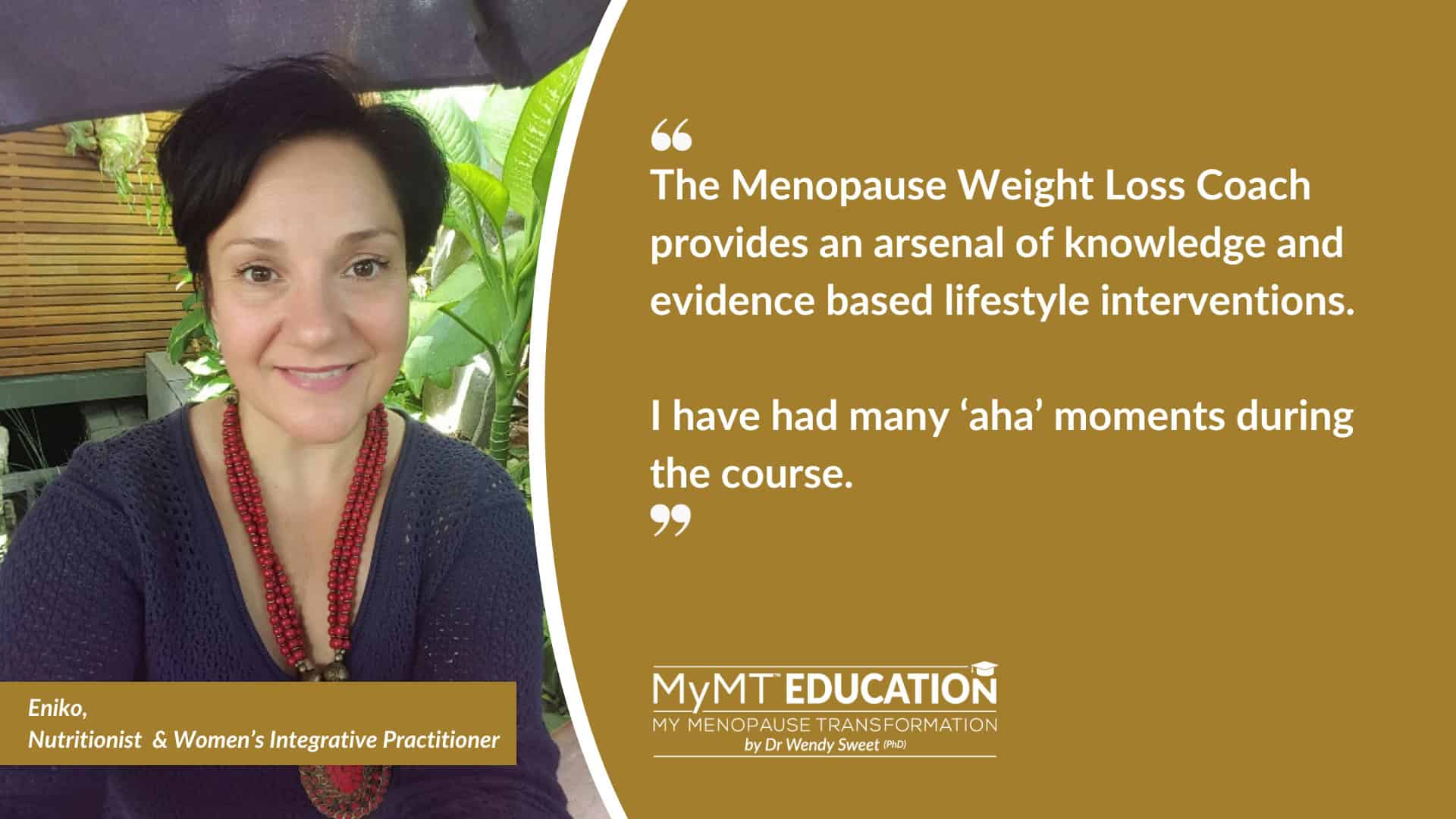
“After this past year of avoiding breads completely, based on the diet I was on, I now realise that this was the wrong thing to do now that I’m in my 50’s. I’ve added in Rye bread and I’ve lost 5 lbs. I’m feeling amazing and I have so much more energy.” [Kirsten, USA]
Most women joining me on the MyMT™ programmes are surprised that I give them permission to eat bread … but not just any bread. My recommendation is rye bread and there’s a reason for this.
One of the most important discoveries of the past few years, has been that the immune system and inflammatory processes are involved in, not just a few select disorders, but a wide variety of mental and physical health problems which may persist across the lifespan [Furman, Campisis et al, 2019].
For women entering menopause (peri-menopause) and moving through to post-menopause, this is relevant information, especially if they have gut dysbiosis.
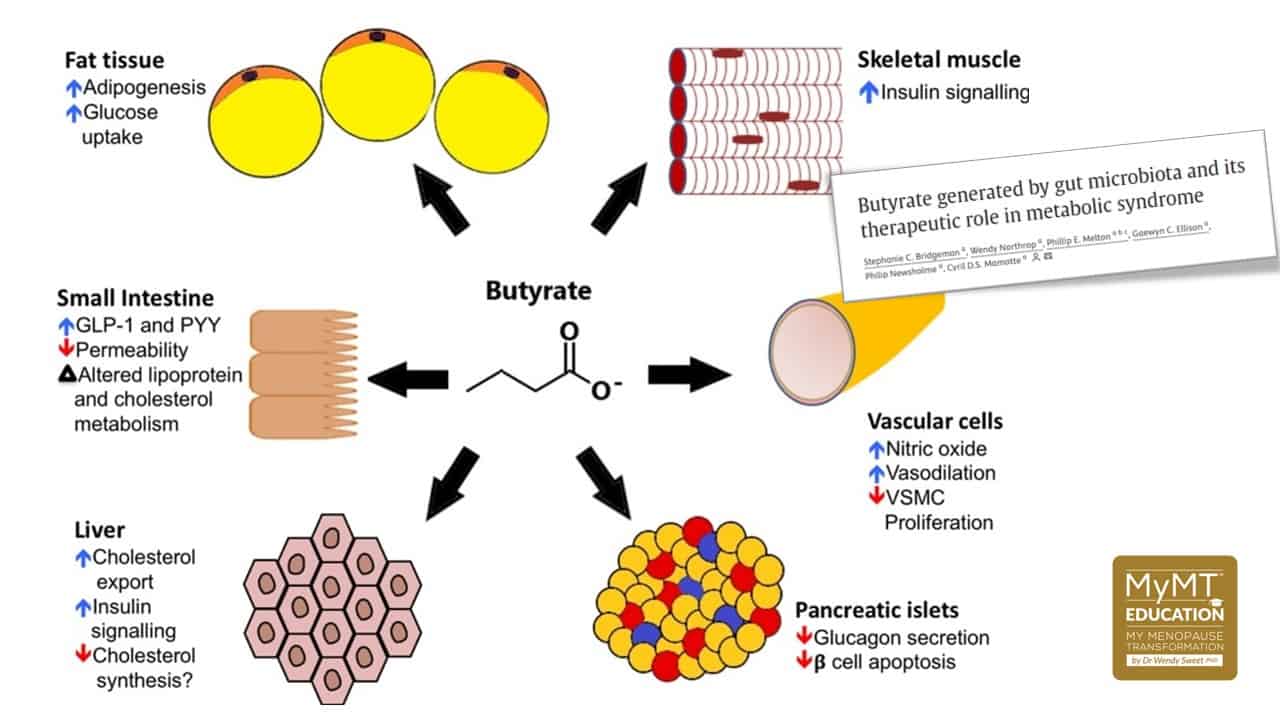
Dysbiosis is a disruption of the delicate balance between the billions of micro-organisms in the human microbiota and their healthy relationship with our body. Increased gut dysbiosis needs butyrate, which is present in Rye bread.
As women move through menopause, inflammatory changes may also occur in the gut, the cardiovascular system, muscles and the liver, as these organs learn to adapt to the decline of oestrogen.
Because of these inflammatory changes, nutritional changes matter more than ever – especially for the health and function of skeletal muscle and gut and cardiovascular health.
This is where wholegrains come into the dietary plan of midlife women, rather than heavily refined grains.
Whole grains represent the earliest forms in which humans consumed cereals. Eaten boiled or roughly pounded to a flour, mixed with water and roasted, they were a form of slow-release carbohydrate with a low blood sugar and insulin response. They were also filling and sustaining.
Whether your clients are bothered by gut and heart health changes, or they are putting on weight, then please take note – regulating blood glucose levels and improving fibre intake, especially foods containing butyrate, are important lifestyle changes for your midlife clients to make, especially if they are also interested in maintaining or improving muscle mass. [Bridgeman et al., 2020; Wan-Qiang et al., 2021].
Whole-grains, especially rye bread, helps your clients achieve this.
The ‘no-grains, no-carbs’ brigade got me for a while too.
Caught up in the weight-loss and dieting confusion as my weight, bloating, hot flushes and joint pain became worse, I thought that having whole-grains in the form of starch was part of the problem – it seemed to be that everyone at the gym was promoting ‘no-grains’ – low carb, high fat and high protein diets were the next ‘thing’ when it came to the nutritional messages endorsed by exercise instructors.
Now after years of following the women’s healthy ageing research, I’ve turned my back on the ‘no-grainers’.
This is because of the ever-growing scientific evidence on the importance of whole-grains in a heart-healthy, diabetes-friendly and sarcopenia-reduction diet.
For women who continue to exercise, it’s never been more important to provide their muscles, including cardiac muscle, with butyrate-rich foods.
Heart Muscle Matters in Menopause too.
Women’s CVD risk significantly increases after they shift into menopause, which is not just related to ageing but also, at least in part, to the decline in ovarian hormone concentrations during the menopausal transition and beyond. (American Heart Foundation, 2017).
Oestrogen plays a role in the contraction of the heart as well as the dilation of our coronary blood vessels. This means that the reduction in oestrogen as part of the normal menopause transition, has a less than beneficial effect on the size and contractile function of the heart.
Some of these cardiac changes during the menopause and post-menopause transition include:
- increased thickness of the heart wall
- vascular stiffening
- slower recovery (especially after endurance or intense exercise)
- changes to the nerve signaling. [Strait, J. et al. (2012)].
New Zealand, Australia, America, the United Kingdom and Scotland, have the highest incidence of post-menopause heart disease. As modernisation hits China, post-menopause heart disease is growing in prevalence there too.
This is where the gut microbiome is important – especially for cardiovascular and skeletal muscle health in women. Increasing evidence suggests that the human gut microbiome plays a key role on skeletal muscle mass and the function of ageing muscles.
Muscle mass is important to midlife and older women. A decline in skeletal muscle mass tends to be more noticable during and after menopause, especially within the Type 2b (power) fibres, which are known to shrink in size. Over time, this can lead to sarcopenia – a condition characterised by muscle mass loss due to ageing.
Although protein is an important substrate for repairing and building skeletal muscle, if this protein cannot be absorbed due to gut dysbiosis, this reduces the absorption and role of amino acids – the building blocks of muscle.
To heal gut dysbiosis and therefore, to facilitate better absorption of nutrients, the gut needs Butyrate.
Beyond the Gut - Rye Bread and Butyrate
Whole grains constitute a major source of energy and for women who are moving through menopause, the relationship between whole-grains intake, gut health, cardiovascular health, musculo-skeletal health and the regulation of blood glucose, is an important one.
Intact whole-grains are unrefined. This means that they remain unprocessed and close to how they are found in nature.
Oats, barley and brown rice are the most common and in many Scandinavian countries as well as Europe, rye is common too.
What I like about whole-grains apart from their fibre and health benefits, is that for women in menopause, they are also full of natural minerals, such as magnesium and other nutrients that have important dietary benefits for midlife and older women.
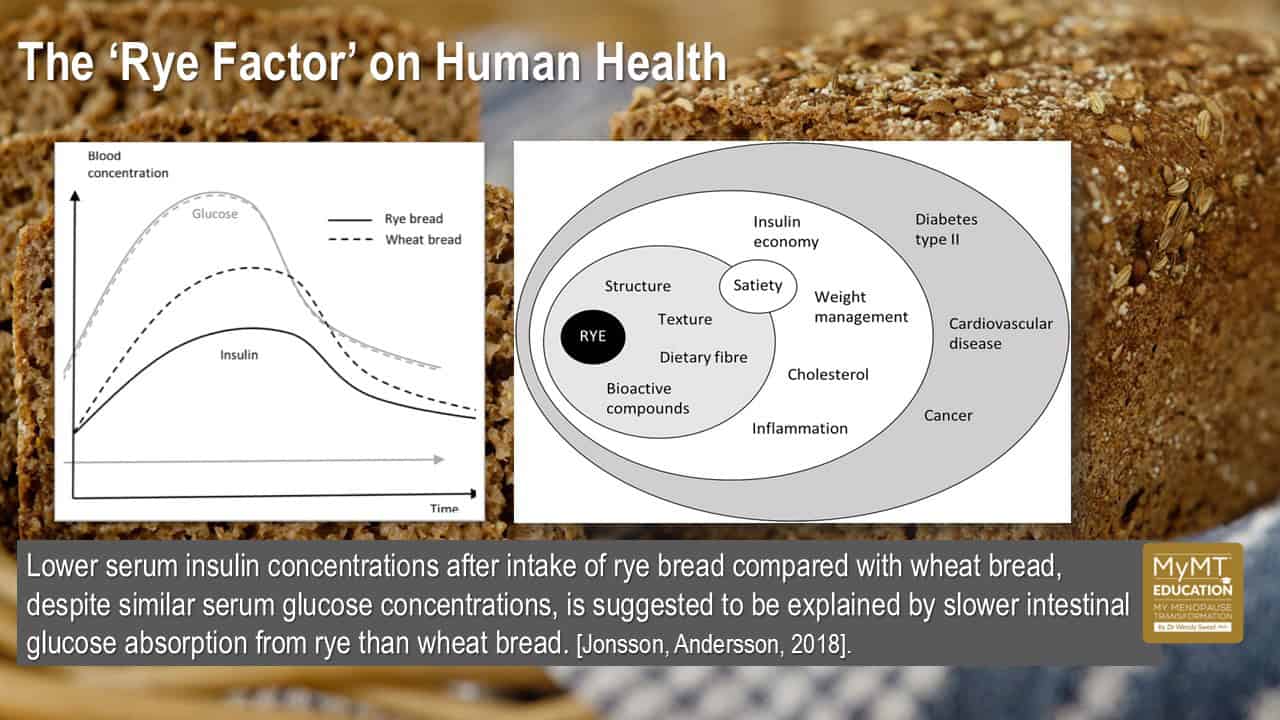
This is where Rye comes in. It is a particularly rich source of dietary fibre and has been consistently associated with lowered risk of developing Type 2 diabetes, cardiovascular disease and some cancers. (Jonsson, Andersson et al, 2018).
Rye is also high in butyrate. And muscle tissue needs butyrate. Studies show that skeletal muscle tissue possess cell surface receptors for short-chain fatty acids (SCFAs) and these depend on butyrate. [Kalkan et al., 2025].
How this happens continues to be under some debate, but several studies have shown that the high content of dietary fibre combined with important bio-active compounds in rye, such as butyrate, are the main driver of the health effects of this important wholegrain.
Rye is also rich in phytochemicals compared to other grains.
I’ve talked about these nutritional chemicals before. They are plant-made compounds that have functions in the plant such as cellular signalling and protection.
In cereals, the majority of the phytochemicals are found in the bran but the curious thing about rye is that the list of phytochemicals detected is continually increasing – so the density of bioactive compounds in rye is high compared to other grains. [Jonssen, Andersson et al, 2018].
Epidemiological evidence suggests that these plant-based compounds help to protect us from various diseases when consumed regularly as part of the habitual diet.
With regard to rye for women in menopause, these healthful compounds include:
- Beta-glucans, which help to improve liver clearance of cholesterol.
- Butyrate, which enhances beneficial gut microbiota.
- Betaine, which helps to improve cardiovascular function.
- Lignans, which are converted by the gut microbiota to phyto-oestrogens (enterodiol and enterolactone).
Perhaps the most important aspect of adding rye to your client’s diet, (if they don’t have coeliac disease), is that it contains high amounts of dietary fibre.
The high content of dietary fibre in rye, compared to wheat, is regarded as one of the main drivers of the health effects this food has on the human gut microbiome.
As such, research suggests that rye breads, in comparison to wheat-based products, reduce the demand for insulin production.
This is important for women moving through menopause, as problems with blood sugar regulation are known to affect temperature control, sleep, higher cortisol production and weight gain. [Gibson, Thurston & Matthews, 2016; Jonsson, Andersson et al, 2018].
Grains are important for heart and muscular health
To protect our heart, stabilise our blood sugar, reduce hot flushes (which become worse when blood pressure is high), improve gut health and prevent sarcopenia, we need the help of whole-grains.
Cardiac and musculo-skeletal health research suggests 2-3 serves a day.
In the MyMT™ Food Guide, which is part of my own coaching programmes, I get women focusing on brown rice, oats and of course, rye bread, especially if they are exercising. These wholegrains give women energy and help to replace important carbohydrates in muscle.
All of these grains are also part of a heart-healthy diet.
Higher whole-grain and bran intakes are consistently associated with a 16-30% lower risk of cardiovascular and coronary heart disease in observational studies (Evidence Report, NZHF, 2018). When up to three serves per day are consumed, cardio-protection is greater.
But there’s more to this story too – the quality of the carbohydrate is important in women’s heart health.
Oats and barley have a greater beneficial effect on total and LDL cholesterol (3-8% reduction), especially in people with raised lipid (fat) levels, due to their soluble fibre content.
Never before have we been so confused about our food. And yes, despite lecturing in sport and exercise nutrition for many years, I had become that way too.
That’s why in the MyMT™ Education Courses I focus you on the evidence that is specific for women as they transition menopause.
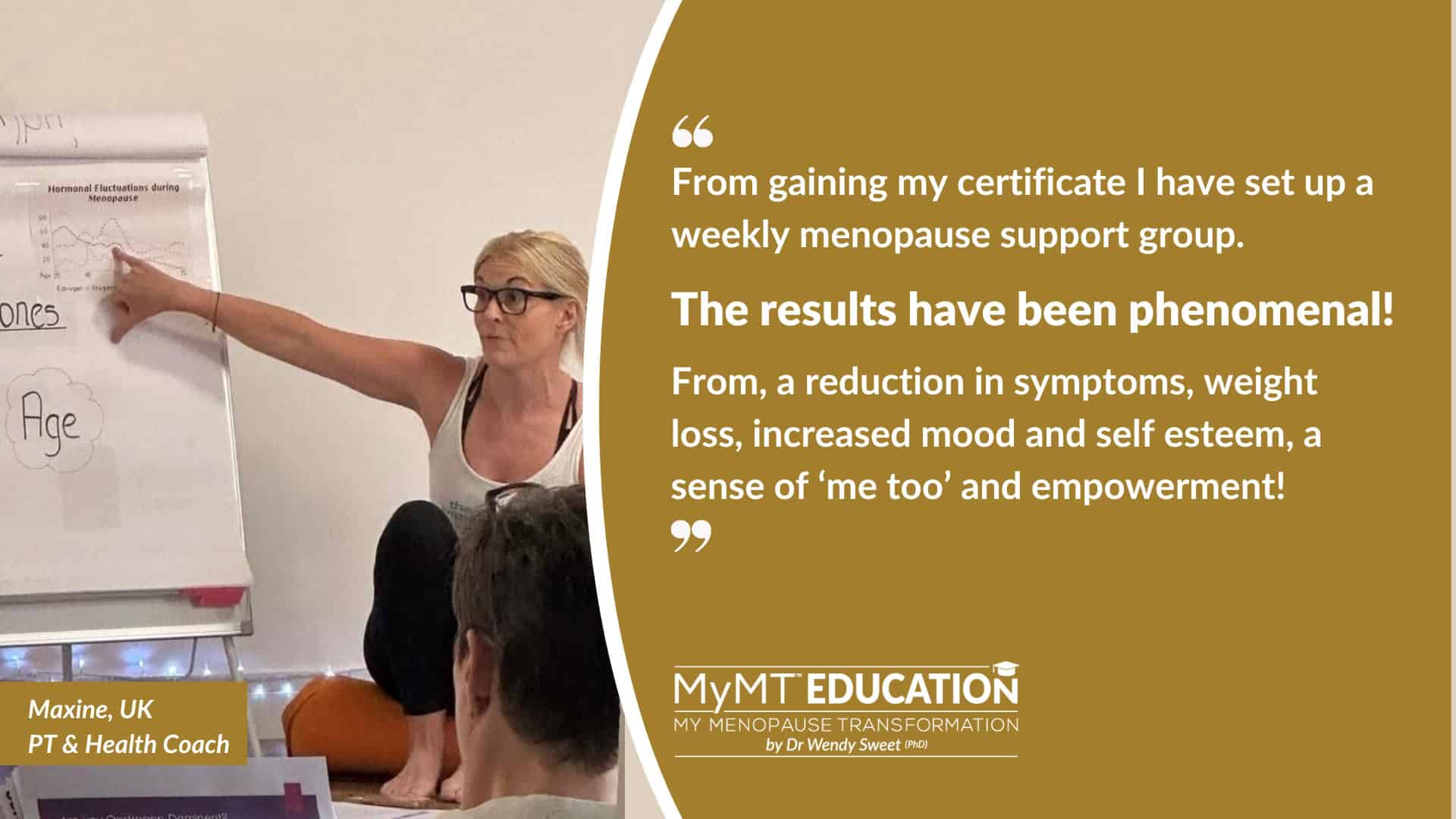
All references are provided and you can ask me questions in the private coaching community for Health and Exercise Professionals. I hope you can join me, and add menopause coaching to your toolbox.
References:
Babiker, F., De Windt, L., et al. (2002). Estrogenic hormone action in the heart: regulatory network and function. Cardiovascular Research 53, 709-719.
Bridgeman SC, Northrop W, Melton PE, Ellison GC, Newsholme P, Mamotte CDS. Butyrate generated by gut microbiota and its therapeutic role in metabolic syndrome. Pharmacol Res. 2020 Oct;160:105174. doi: 10.1016/j.phrs.2020.105174. Epub 2020 Aug 27.
European Union Healthgrain Forum. Online: https://healthgrain.org/whole-grain/
Furman D., Campisi J., Verdin E., Carrera-Bastos P., … Slavich GM. (2019). Chronic inflammation in the etiology of disease across the life span. Nat Med. Dec;25(12):1822-1832. doi: 10.1038/s41591-019-0675-0.
Gorton, D. (2018). Evidence Paper: Wholegrains and the Heart. Wellington: NZ Heart Foundation.
Jonsson, K., Andersson, R., Knudsen, E., Hallmans, G. …. Landberg, R. (2018). Rye and health – Where do we stand and where do we go? Trends in Food Science & Technology, 79, 78-87. ISSN 0924-2244
Jull, J., Stacy, D. et al. (2014). Lifestyle interventions targeting body weight changes during the menopause transition: A Systematic Review. Journal of Obesity. Article ID 824310, 1-16.
Kalkan AE, BinMowyna MN, Raposo A, Ahmad MF, Ahmed F, Otayf AY, Carrascosa C, Saraiva A, Karav S. Beyond the Gut: Unveiling Butyrate’s Global Health Impact Through Gut Health and Dysbiosis-Related Conditions: A Narrative Review. Nutrients. 2025 Apr 9;17(8):1305. doi: 10.3390/nu17081305.
Lustgarten MS. The Role of the Gut Microbiome on Skeletal Muscle Mass and Physical Function: 2019 Update. Front Physiol. 2019 Nov 26;10:1435. doi: 10.3389/fphys.2019.01435. PMID: 31911785;
Mann, J. & Truswell, S. (2007) 3rd Ed. Essentials of Human Nutrition. Oxford University Press: Oxford, UK
Moazzami A., Bondia-Pons I., Hanhineva K., Juntunen K., Antl N., Poutanen K., & Mykkänen H. (2012). Metabolomics reveals the metabolic shifts following an intervention with rye bread in postmenopausal women–a randomized control trial. Nutr J.,11:88. doi: 10.1186/1475-2891-11-88.
Sandberg JC, Björck IM, Nilsson AC. (2016). Rye-based evening meals favorably affected glucose regulation and appetite variables at the following breakfast; A randomized controlled study in healthy subjects. (2016). PLoS One. Mar 18;11(3):e0151985. doi: 10.1371/journal.pone.0151985.
Stice, J., Lee, J. et al. (2009). Estrogen, aging and the cardiovascular system. Future Cardiol. 5(1): 93–103.
Swaminathan S, Dehghan M, Raj JM, Thomas T., Rangarajan S, Jenkins D, Mony P, Mohan V, Lear SA, Avezum A, Lopez-Jaramillo P, Rosengren A, Lanas F, AlHabib KF, Dans A, Keskinler MV, Puoane T, Soman B, Wei L, Zatonska K, Diaz R, Ismail N, Chifamba J, Kelishadi R, Yusufali A, Khatib R, Xiaoyun L, Bo H, Iqbal R, Yusuf R, Yeates K, Teo K, Yusuf S. (2021). Associations of cereal grains intake with cardiovascular disease and mortality across 21 countries in Prospective Urban and Rural Epidemiology study: prospective cohort study. BMJ. Feb 3;372:m4948. doi: 10.1136/bmj.m4948.