
Menopause and Joint Pain:
Why Your Joints Ache During Midlife
- Highly Qualified Coach
- Trusted by Over 20,000 Women
- 7 Day Money Back Guarantee
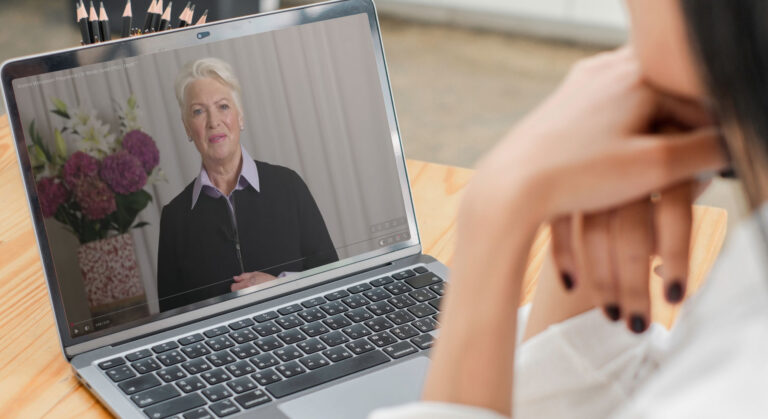
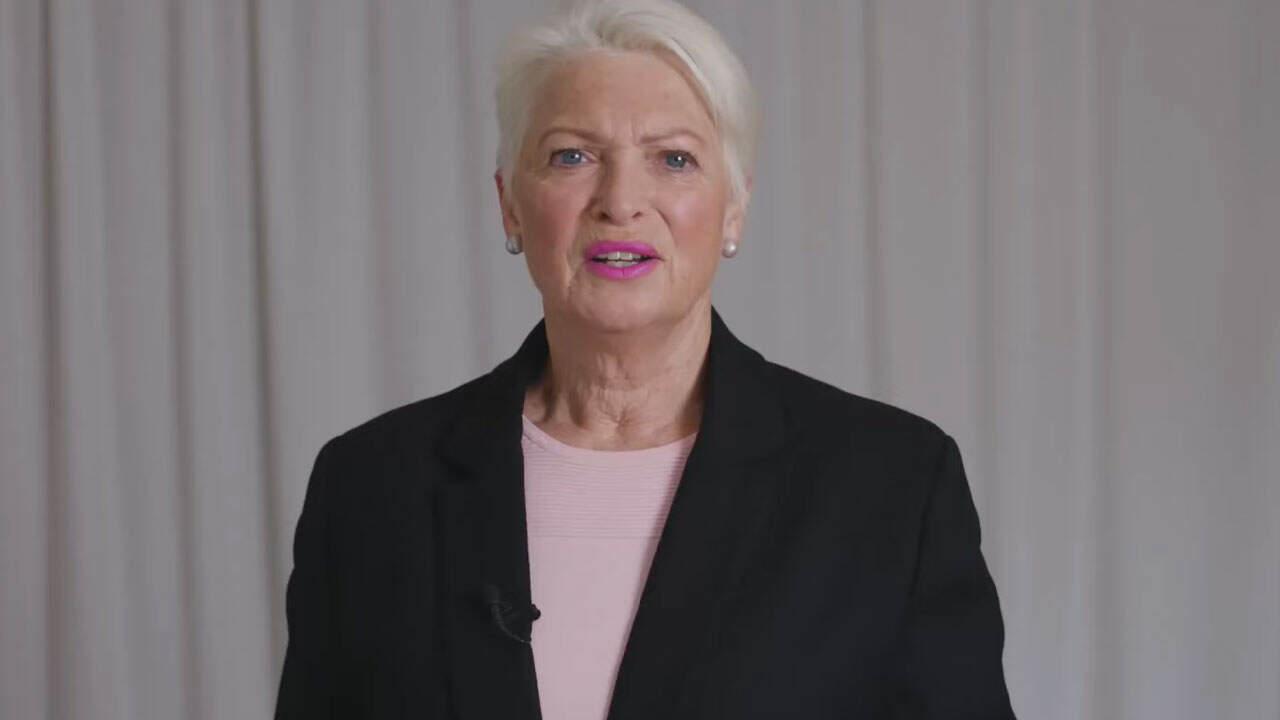
VIDEO: Menopause and Joint Pain - Causes, Symptoms and Solutions
Many women experience aching knees, sore hips, stiff joints and muscle pain during peri-menopause and post-menopause. In this video, Dr Wendy Sweet (PhD) explains why menopause-related changes may affect tendons, muscles, inflammation and recovery — and shares lifestyle strategies that may help support long-term mobility and healthy aging.
Key Takeaways
- Many women experience joint and muscle pain during menopause
- Hormonal changes may affect tendon flexibility and recovery
- Collagen turnover may slow during menopause
- Poor sleep may make inflammation and recovery more challenging
- Exercise tolerance and recovery may change during midlife
- Lifestyle strategies may help support joint health and mobility
Video Chapters
0:00 — Why Joint Pain Happens During Menopause
Dr Wendy Sweet (PhD) explains how many women experience aching joints, sore knees and muscle discomfort during menopause and post-menopause.
1:16 — The Science Behind Menopause Joint Pain
Learn how hormonal changes may affect tendons, muscle density and collagen turnover during menopause.
2:05 — Lifestyle Science and Joint Health
Dr Wendy Sweet (PhD) discusses lifestyle science to help ease joint and muscle pain and why women following a Mediterranean-style diet may experience better mobility.
2:42 — Why Sleep Matters for Recovery
3:13 — Lifestyle Strategies for Healthy Aging
Discover lifestyle-focused approaches designed to help women support mobility, recovery and healthy aging during menopause.
Video Transcript
One of the most challenging concerns for women moving through menopause or in post-menopause is that their joints and muscles start aching. Has the same happened to you?
Maybe it’s your aching hips, your knees, or even under the soles of your feet. If so, I’m not surprised. Of the 500,000 women who have taken the free MyMT Symptoms Quiz, over 80% report joint pain.
When the same thing happened to me, I was really confused. I was also in a lot of despair because I couldn’t do the exercise that I had enjoyed doing for a number of years. Of real concern, however, was the fact that I wasn’t able to ski with the family. I didn’t want to spend my days sitting in the café and watching them ski without me.
Like many women, I began to become concerned about my reduced levels of activity. I also found my weight going up and my mental health suffering with not being able to do the level of physical activity I was used to.
When nobody had the answers I sought, I decided to look into it as part of my doctoral studies in women’s healthy aging.
The science of menopause-related muscle and joint pain is fascinating. Did you know that our tendons have estrogen receptors on them, which help to keep the tendons flexible?
Our muscles lose size and density as we move through menopause. This is a normal part of aging, but when this happens, it affects the way our tendons and ligaments function.
And collagen turnover is slower as we transition through menopause. This means that if we are doing too much high-impact exercise, our recovery is slower and we build up more inflammation in the joints and muscles.
If we aren’t sleeping well, it’s very difficult to get on top of this inflammation.
For years, I’ve had my head in the lifestyle science to understand how we can turn around joint and muscle pain using natural lifestyle solutions, and these are easier to apply than we think.
For example, one of the things women on the MyMT programs learn is that there is a nutrient found in extra virgin olive oil that replaces the loss of estrogen in our tendons. This is one of the reasons that women having a traditional Mediterranean diet can enjoy greater physical mobility than many Western women.
So please don’t let your joint pain get you down. I know it’s hard when we spend hundreds of dollars on physiotherapy appointments and supplements, but I wonder if anyone has ever talked to you about the importance of sleep to restore your joints overnight? Or perhaps the foods that can replace the role of estrogen and collagen? And how to improve blood flow to get vital nutrients and oxygen into your joints?
If not, then come into the MyMT community with me. You will learn all about the evidence-based lifestyle solutions you need in midlife.
I invite you to start with the free Symptoms Quiz, a tool I created as part of my doctoral studies to help you understand why your symptoms are occurring.
Then listen to the Masterclass on Menopause, the two-part webinar, which is all the information I didn’t have when I needed it.
I also invite you to explore my 12-week online lifestyle change programs for women in menopause and post-menopause. Each one has your step-by-step action plan and food guide to help you restore your joint health alongside reducing other symptoms and/or weight loss.
Or if joint pain is the only symptom bothering you, then I have a standalone module for you, simply called Restore Your Joyful Joints.
We’ve got at least another 30 years of living to do, so don’t let your changing mobility get you down. I want you to be able to stay active as part of your healthy aging.
So come on board with me when you can.
Can Menopause Cause Joint Pain?
Many women experience joint pain during peri-menopause and post-menopause. In this video, Dr Wendy Sweet (PhD) explains how menopause-related hormonal changes may influence tendon flexibility, muscle recovery and inflammation levels.
Common symptoms women may notice include:
- aching knees
- sore hips
- stiff joints
- muscle soreness
- reduced flexibility
- slower recovery after exercise
Why Do Joints Ache During Menopause?
Hormonal Changes and Tendon Health
Dr Wendy Sweet (PhD) explains that tendons contain estrogen receptors which help support flexibility. As hormone levels change during menopause, some women may notice increased stiffness or discomfort.
Changes in Muscle Density and Recovery
Muscle size and density naturally change as women age. During menopause, these changes may affect the way tendons and ligaments function and may also influence recovery after exercise.
Inflammation and Sleep
The video also explains how poor sleep may make inflammation and recovery more difficult during menopause.
Common Symptoms Women Report During Menopause
Women experiencing menopause-related joint and muscle discomfort may notice:
- aching knees
- sore hips
- stiff joints
- muscle aches
- foot discomfort
- reduced mobility
- slower exercise recovery
- balance concerns
- difficulty returning to
- previous activity levels
Frequently Asked Questions About Menopause and Joint Pain
Many women report aching knees during menopause and post-menopause, particularly as activity levels, recovery and hormonal changes evolve during midlife.
In the video, Dr Wendy Sweet explains that tendons contain estrogen receptors which help support flexibility.
The video explains that changes in collagen turnover, muscle density and sleep quality may affect recovery during menopause.
Poor sleep may make inflammation and overnight recovery more difficult, which may affect how women experience joint and muscle discomfort.
Dr Wendy Sweet discusses sleep, movement, Mediterranean-style nutrition and recovery-focused lifestyle strategies designed to support healthy aging and mobility.
Learn More About Menopause and Healthy Aging
Explore the free Symptoms Quiz, educational masterclasses and menopause lifestyle programmes designed to help women better understand joint health, mobility and recovery during midlife.
Medical Disclaimer
This information is educational only and is not intended as medical advice. Always seek guidance from a qualified healthcare professional regarding any medical concerns or symptoms.
