It was only recognised as a symptom of menopause in 2024 despite at least 70% of all midlife women globally experiencing it.
Which beggars belief really that Clinicians have only just caught up with what many women have known for decades and what over 70% of women who have undertaken the MyMT™ Symptoms Quiz have also reported … that chronic joint pain is a condition that has arrived during their menopause transition.
This new research reports that the musculoskeletal syndrome of menopause includes, but is not limited to, musculoskeletal pain, arthralgia (joint pain), loss of lean muscle mass, loss of bone density with increased risk of resultant fracture, increased tendon and ligament injury, adhesive capsulitis and cartilage matrix fragility with the progression of osteoarthritis. [Wright et al., 2024]
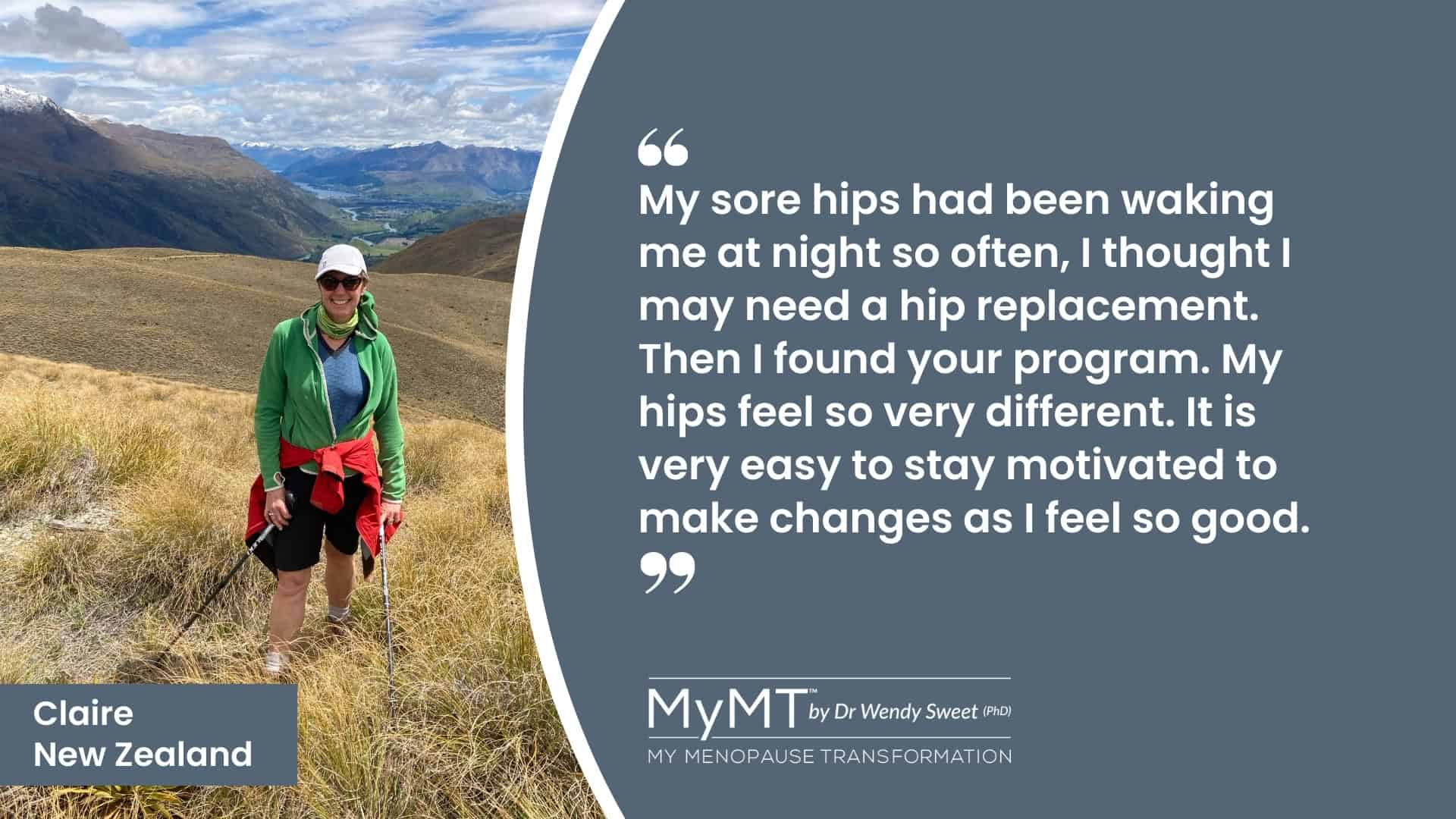
Many women, myself included, have experienced the persistent pain of muscles, knees, hips, neck and shoulders. It poses quite a distraction, not only with performing every-day activities, but also for women who enjoy their exercise.
I’ve also had numerous women who have joined my programmes over the years, tell me that they are told that their sore joints and aching muscles during menopause is ‘just a part of growing old’ and to accept it.
But should women really ‘just accept it’? I know that I didn’t and I’m so pleased that I didn’t when my medical support tried to normalise this ‘growing older syndrome’.
At the same time, that the Musculo-skeletal syndrome of menopause was being reported in the Western research, a new study was being undertaken in Japan.
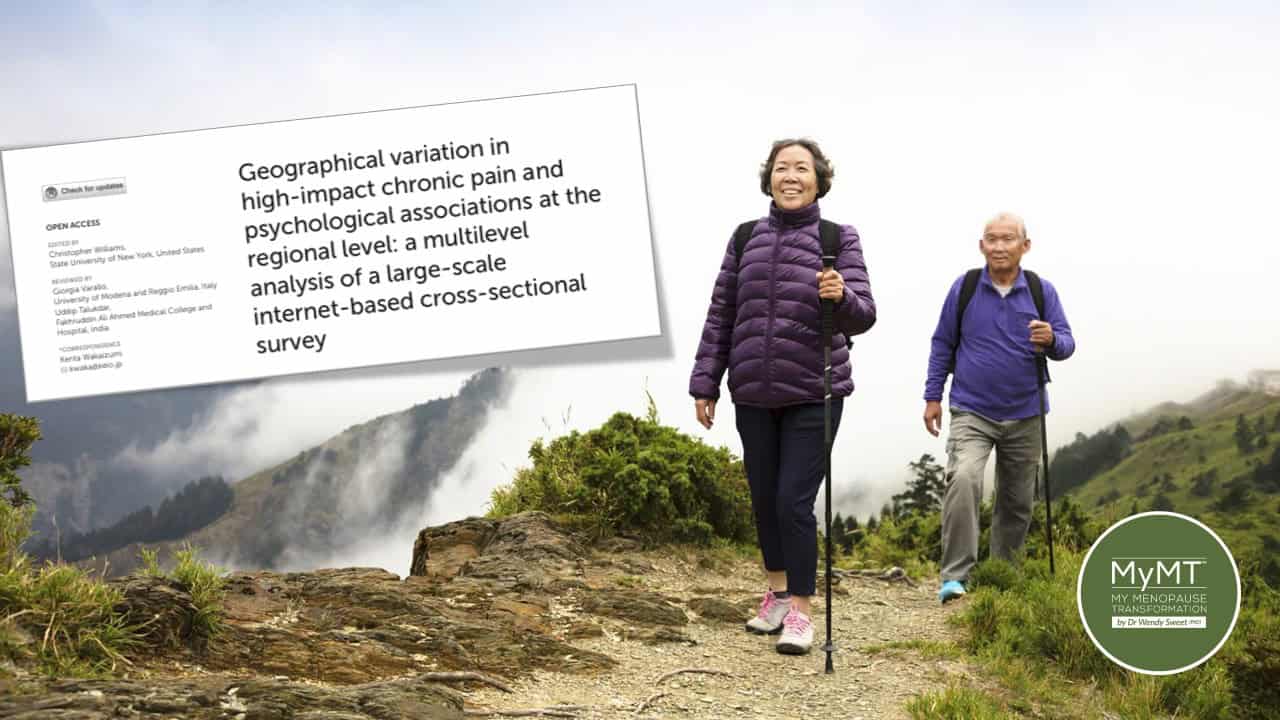
The extensive study of over 52,000 people explored geographical variations in moderate to severe chronic pain prevalence across different regions of Japan, as well as examining the associated psychological factors in various prefectures (regions).
The results reported what I had learnt as part of my own studies on Musculo-skeletal pain in midlife women, and that was, that Japanese women living on Okinawa Island, reported far less prevalence of joint pain compared to women living in larger cities in Japan.
Some of the difference was attributed to psychological determinants, including higher stress levels, mood disturbances and shorter sleep duration in those reporting higher pain levels.
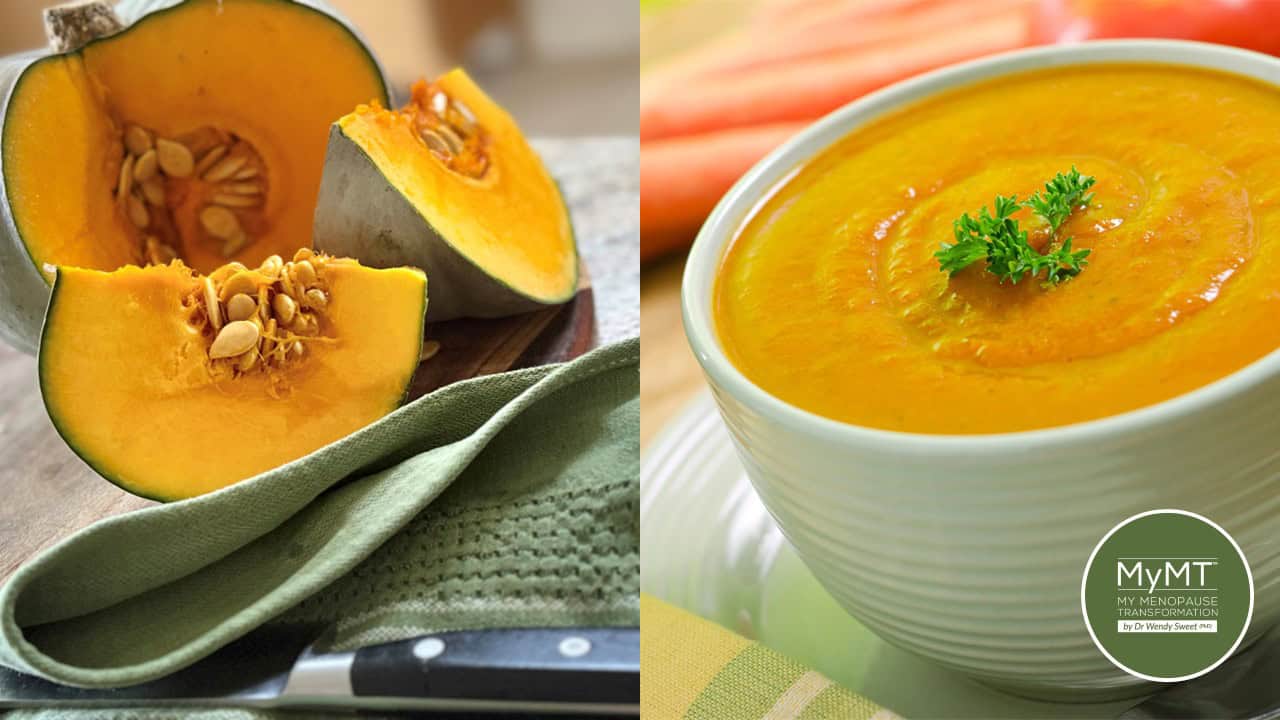
Carotenoids demonstrate a variety of health benefits for women
The World Health Organization (WHO) has identified the ageing of the global population as one of the most significant demographic challenges worldwide. It’s an important issue for women coming through menopause – afterall, this is the gateway to your biological ageing.
As such, research which promotes healthy ageing has become ‘big business’ as governments support and encourage individual responsibility for health as people get older.
Current ageing research focuses on developing strategies to mitigate the detrimental effects of ageing. In this regard, a ew term has gained importance.
This is the term ‘geroprotector’ which refers to molecules that target the biological hallmarks of ageing, thereby helping the body to delay the onset of age-related diseases, and enhance resilience to the inflammatory effects of ageing.
This is where the role of carotenoids has gained relevance in the fight against free radicals. Free radicals are molecules with unpaired electrons, making them unstable and highly reactive.
They are formed naturally in the body as byproducts of metabolism and can also be introduced from external sources like pollution and radiation. While free radicals play roles in normal cellular functions, their excess can damage cells and contribute to various diseases and more rapid ageing.
Oxidative stress has been recognized as the main contributor to age-related diseases. These include metabolic syndrome, atherosclerosis, osteoporosis, obesity, dementia, diabetes, cancer, and arthritis.
Carotenoids help to fight oxidative stress, thereby reducing inflammatory changes that occur as women move through menopause and into their post-menopause years.
Carotenoids matter to your joint health as you move through menopause. Judging by the results of the MyMT™ Symptoms Quiz of over 500,000 women globally, that’s just over 70% of you with sore and aching joints.
I used to be that woman too!
Which is how I became interested in foods that suited my health as I moved through menopause and aged. The sorts of foods that you might be serving the family, may not be what your body needs at this stage of life.
Carotenoids are a group of polyphenolic compounds found predominantly in fruit and vegetables, that are orange, yellow and red colour. These carotenoids have been evidenced to contain compounds which have anti-inflammatory and antioxidant effects.
Citrus fruits are rich in carotenoids and tangerines and oranges are high in beta carotenes, as are pumpkins, carrots, orange sweet potatoes and yams.
From a nutritional and physiological perspective, the interest in carotenoids has been due to their provitamin A activity, since the contain the main source of Vitamin A that the human body recognises. It has been established that 60% of the intake of Vitamin A in our diet comes from the carotenoid group.
This is why carotenoids are promising as foods that reduce the risk of cancer. For those of you with increased risk of breast cancer, or you are in remission, this is important information for you.
When you have a moment, then I invite you to watch my brief video below, as I describe how important these carotenoids are to your health as you age.
Restore your Joint Health with MyMT™
Every day, I receive health screening forms from ladies joining the MyMT™ Programmes. There are three symptoms that seem to be ticked every single time I open one of these screening forms. One of those is aching joints and muscles.
I can so relate to these women. I still remember the morning I got out of bed and put my feet on the floor and found I could hardly walk because of the shooting pains in my toes and knees. Suddenly I couldn’t get the thought of arthritis, fibromyalgia and more importantly, not being able to be active or ski again, out of my head.
Women on my doctoral studies told me similar stories. Which was when I began to wonder if these joint pains were related to menopause ….
So, why do legs and joints suddenly feel so sore and ‘achy’ when women arrive in menopause? I tell you about this in my article on your sore joints and menopause HERE.
References:
Elisabete Michelon, Caroline Blaum, Richard D. Semba, Qian-Li Xue, Michelle O. Ricks, Linda P. Fried, Vitamin and Carotenoid Status in Older Women: Associations With the Frailty Syndrome, The Journals of Gerontology: Series A, Volume 61, Issue 6, June 2006, Pages 600–607, https://doi.org/10.1093/gerona/61.6.600
Preedy, V. & Watson, R. (2020). The Mediterranean Diet: An evidenced-based approach. Second Ed. Academic Press, Elselvier.
Shanaida, M., Mykhailenko, O., Lysiuk, R., Hudz, N., Balwierz, R., Shulhai, A., Shapovalova, N., Shanaida, V., & Bjørklund, G. (2025). Carotenoids for Antiaging: Nutraceutical, Pharmaceutical, and Cosmeceutical Applications. Pharmaceuticals, 18(3), 403. https://doi.org/10.3390/ph18030403
Tan BL, Norhaizan ME. Carotenoids: How Effective Are They to Prevent Age-Related Diseases? Molecules. 2019 May 9;24(9):1801. doi: 10.3390/molecules24091801.
Woodside JV, McGrath AJ, Lyner N, McKinley MC. Carotenoids and health in older people. Maturitas. 2015 Jan;80(1):63-8. doi: 10.1016/j.maturitas.2014.10.012.