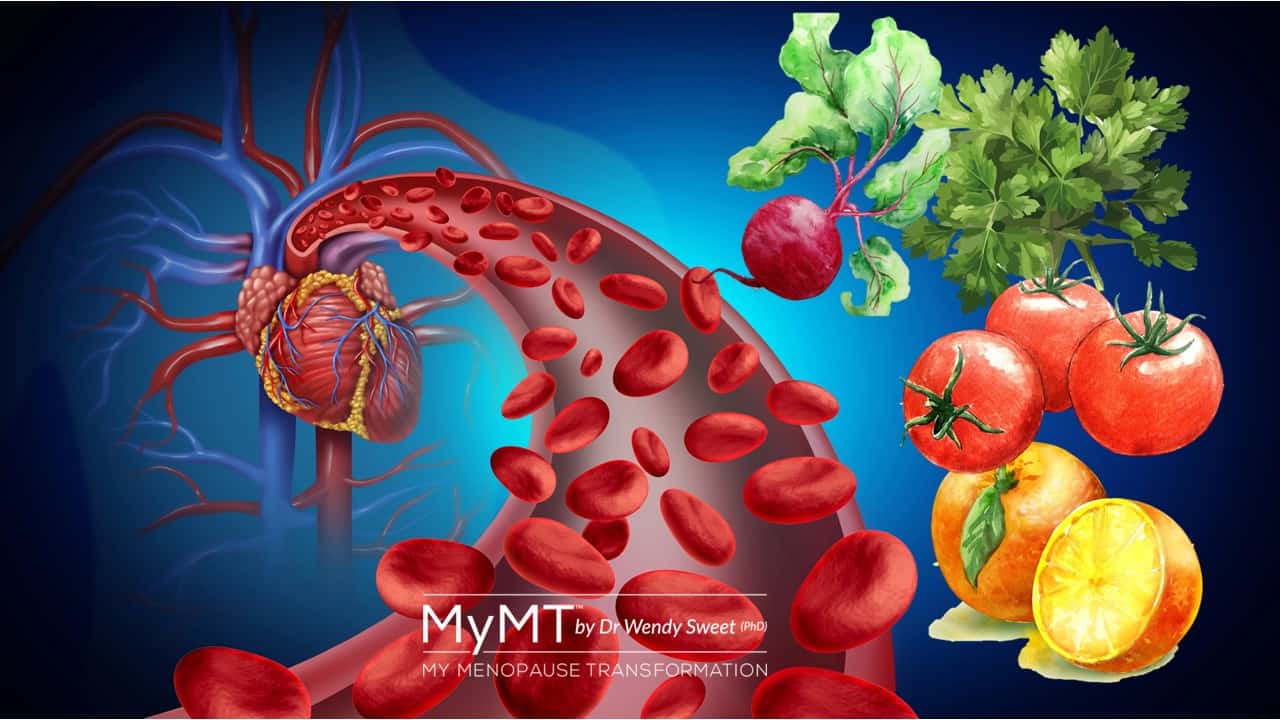
Menopause, Post-Menopause and High Blood Pressure
It’s only been a few years now, that a scientific paper was published by world-renowned women’s cardiac specialist, Professor Angela Maas and her team discussing the female-specific, inflammatory factors that influence a woman’s cardiovascular risk throughout her lifetime. (Maas, Rosano et al, 2021).
In a press release from the European Society of Cardiology (2021), Professor Maas explained,
“High blood pressure is called hypertension in men but in women it is often mistakenly labelled as ‘stress’ or ‘menopausal symptoms’. Furthermore, high blood pressure during pregnancy is a warning sign that hypertension may develop when a woman enters menopause and it is associated with dementia many decades later. If blood pressure is not addressed when women are in their 40s or 50s, they will have problems in their 70s when hypertension is more difficult to treat.”
As post-menopausal women have joined me on the Beyond Menopause™ program recently, it became obvious when I was looking at their health screening forms, that many of them were on HRT but still experiencing hot flushes into their 60s.
But this isn’t menopause is it? Afterall, they are through menopause, but thanks to Professor Maas and her cardiology research insights specific to women in post-menopause, it’s important that women understand that hot flushes, night sweats and depression in menopause and beyond are now lined to higher blood pressure.
When I read Professor Maas’s work and her comment that up to 50% of women develop high blood pressure before the age of 60 but the symptoms – for example hot flushes and palpitations – are often attributed to menopause, rather than hypertension, this made so much sense to me.
Menopause-related hot flashes and night sweats have been linked to a greater risk for high blood pressure and other cardiovascular risk factors. Research also shows depression during the menopause transition is strongly linked to higher cardiovascular disease risk. (El Khoudary & Nasr, 2022).
I speak about the work of Professor Maas in my online Masterclass on Menopause (available online for you HERE) and I also bring it to the attention of Health Practitioners on my professional development course as well as talk about it in all of the 12-week MyMT™ Programmes.
Yes, high blood pressure and changing blood vessel status is that important!
Most importantly however, I often tell women to get their blood pressure checked with their Doctor and of course, change their lifestyle to better suit their changing cardiovascular status – some strategies of which I share with you below.
If your hot flushes and night sweats are draining your energy levels, then you may want to have a read when you can.
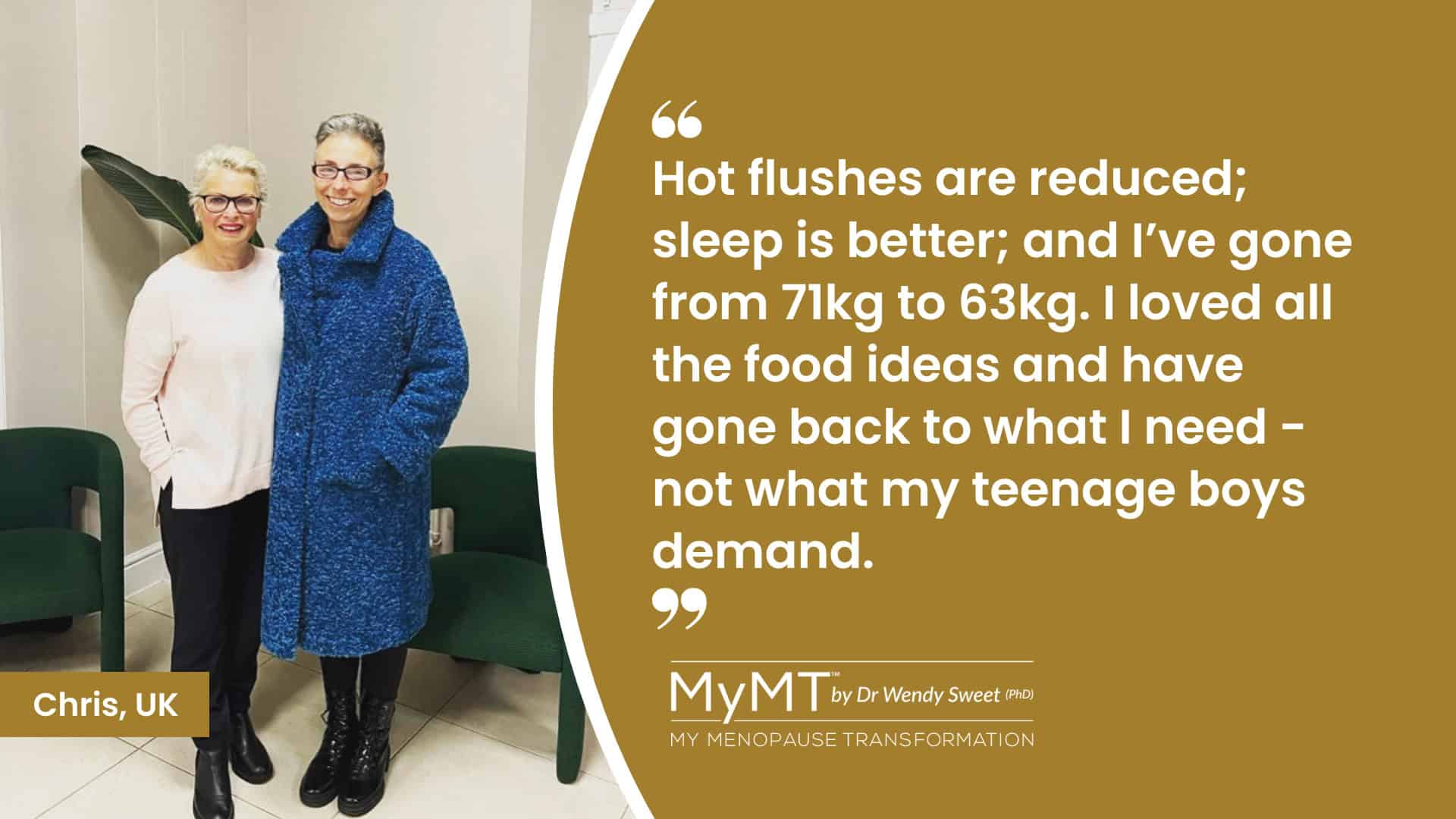
Why does your blood pressure change in menopause?
Women’s health literature is replete with studies reporting the changes in cardiac function as we age. And I’m not talking about when you are over 70 years. I’m talking about your menopause transition – the time when your biological and reproductive ageing is occurring.
One of the main roles of oestrogen throughout our lifetime, is to regulate vascular (blood vessel) reactivity, blood pressure (BP), endothelial (blood vessel) function and cardiac re-modelling.
The inside lining of blood vessels, lymph vessels, and the heart is known as the endothelium, and this tissue undergoes specific changes during menopause and as women get older.
New research confirms that in humans, the earliest detectable feature of vascular ageing is endothelial dysfunction and that this precedes plaque formation and progression or arterioschlerosis, or narrowing of the arteries. [Akhiyat et al., 2025]. This process, according to the research, is a cornerstone of the deterioration of the blood vessel wall function and structure (e.g. the loss of elasticity whereby the blood vessels can become ‘stiffer’) and with normal ageing.
This is why alterations in oestrogen levels during the menopause transition are closely connected to blood vessel function (vascular ageing and ‘stiffness’) and changing blood pressure.
It’s also why, after menopause, when periods have ended and women enter post-menopause, that a women’s risk for high blood pressure (hypertension) is higher than in her peri-menopause years. During peri-menopause, for women with intact ovaries, oestrogen production, whilst starting to decline, does continue.
Women undergo important changes in sex hormones throughout their lifetime that can impact cardiovascular disease risk.
With the decline in oestrogen levels as women move through menopause, risk factors for coronary heart disease (CHD) become more apparent, and hypertention is one of these risk factors.
If your blood pressure and/or cholesterol has become elevated as you approached mid-life, you’ll know what I mean. Blood Pressure is ‘high’ when the top number (systolic pressure) is over 140 mmHg and the bottom number (diastolic pressure) is over 80 mmHg.
Furthermore, the onset of hypertension can cause a variety of symptoms that are often attributed to the menopause – if you are experiencing fatigue, hot flushes, aching muscles after exercise, migraines, tinnitus and/or palpitations, then join the club – it could well be your changing blood pressure and blood vessels. So please, go to your Doctor and get your blood pressure checked out when you can, because there’s a little statistic I want to share with you.
Worldwide, in 2012, 25% of adult women were hypertensive, and in the United States, more than 75% of women older than 60 years of age are hypertensive. [Lima et al., 2012]
In 2026, this number has risen. The global age-standardized prevalence of hypertension is approximately 32.3% in women. [Bond et al., 2026].
Hypertension is a major risk factor for cardiovascular disease in women and men.
Whilst it is well controlled and treated with medications in many countries throughout the world (Lancet 2019), what we all need to know, is that cardiovascular disease, which includes high blood pressure, is the leading cause of death in women – especially as women move from menopause into post-menopause.
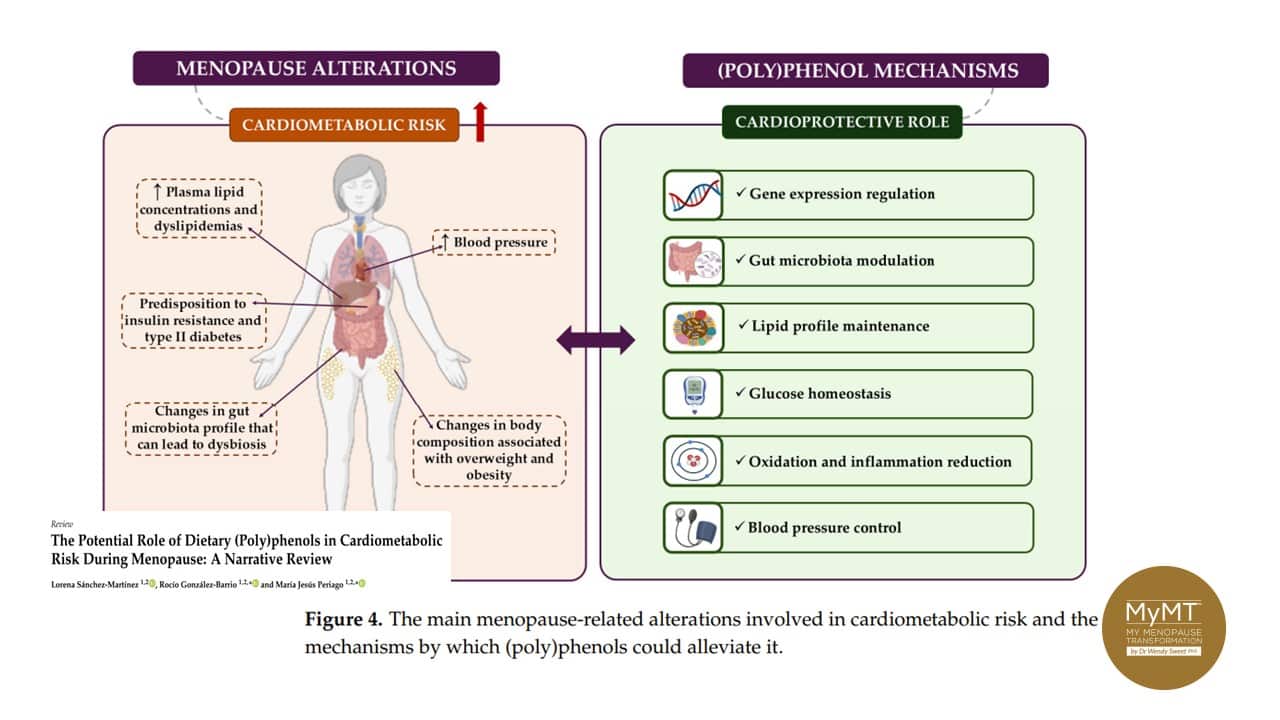
The good news is that we have the power to do something about it through lifestyle change strategies, especially with understanding the link between cardiovascular risk reduction and the intake of polyphenol-rich foods.
Menopause isn't the only cause of hypertension in women.
Declining oestrogen isn’t the only contribution to changing heart health, high blood pressure and worsening hot flushes as women move through menopause.
The other primary cause (apart from smoking and high alcohol consumption) is poor sleep and increased stress (this includes physical stress from too much vigorous exercise). Being sedentary is another cause, along with a family history of heart disease, kidney problems, poor diet and being overweight or obese.
And whilst oestrogen has major benefits for arterial health improving vascular function and reducing plaque formation, women with diagnosed hypertension, must have their risk assessed as to whether they are suitable for HRT.
But whether you are on HRT or not, it’s important to understand some of the lifestyle strategies which will help you to reduce your blood pressure, especially for those of you who are already in post-menopause. I have many more of these evidenced interventions in all of the MyMT™ programmes too.
Managing Blood Pressure - my top tips!
- Change your diet.
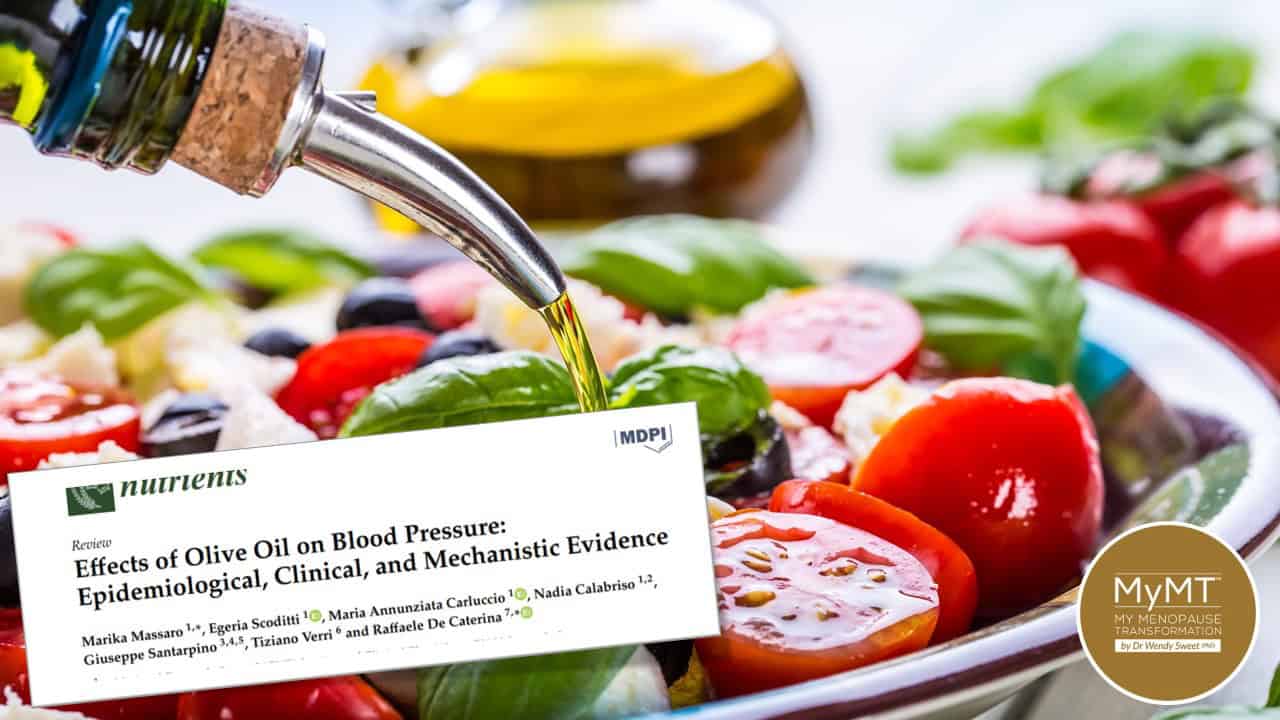
Don’t get fooled by diets that aren’t designed with your blood pressure in mind. All of the women who come on board into the MyMT™ programmes learn how important it is to follow a Mediterranean influenced, anti-inflammatory diet. This is evidenced for improving blood pressure and the integrity of blood vessels.
2. Include adequate magnesium and calcium in your diet.
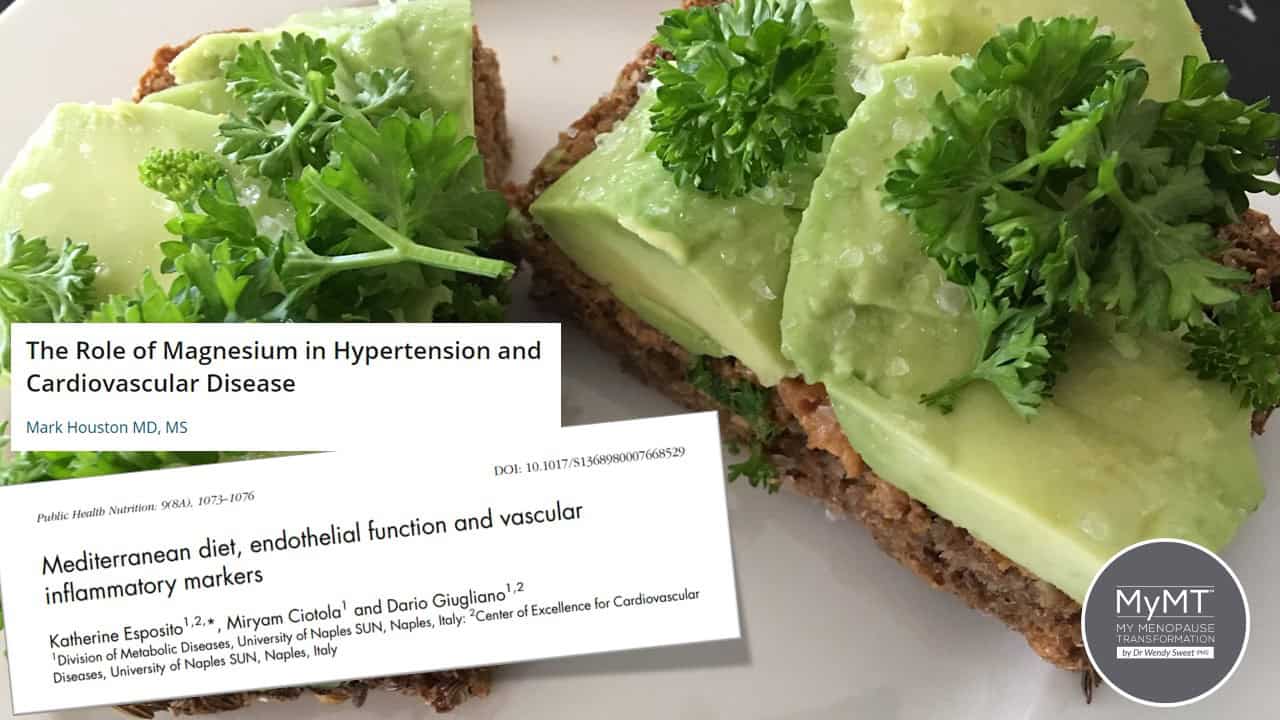
Numerous studies suggest that reduced consumption of calcium or magnesium is associated with an increased risk of developing hypertension and cardiovascular disease. Magnesium (Mg), an essential element in the human body, may have beneficial health effects for the primary prevention of hypertension. You need 400mg of magnesium and 1200mg of calcium daily. Plant-based high magnesium foods include avocado, kale, spinach, nuts and seeds, canned white beans and rye bread.
3. Sleep all night to reduce your blood pressure.
If you aren’t sleeping, then you must turn this around and in the MyMT™ programmes, I have an emphasis on the circadian rhythm which I’ve researched specific to the menopause transition. Our heart and blood vessels are under the regulation of our day/night cycle as well as our seasonal cycle. Sleeping all night matters to your cardiac health and your blood pressure, (Douma & Gumz, 2019), your weight management and for those of you who are exercising for muscle and bone density purposes, your sleep matters to the turnover of new bone and muscle.

4. Manage your heat regulation and hot flushes (flashes) by changing your diet to a (mainly) plant-based diet, and reducing high amounts of protein, especially animal protein.
Hot flushes are experienced as a feeling of sudden heat in upper part of the body including the face, neck, chest, and arms. They also involve dilation of blood vessels in the skin and an increased heartbeat. Hot flushes can also be caused by underlying health problems, drinking alcohol, using food additives, taking certain medications, eating a high-protein animal-based diet, and increased weight gain. [Sadeghi, Khalili et al, 2012; Kodoth, et al, 2022].
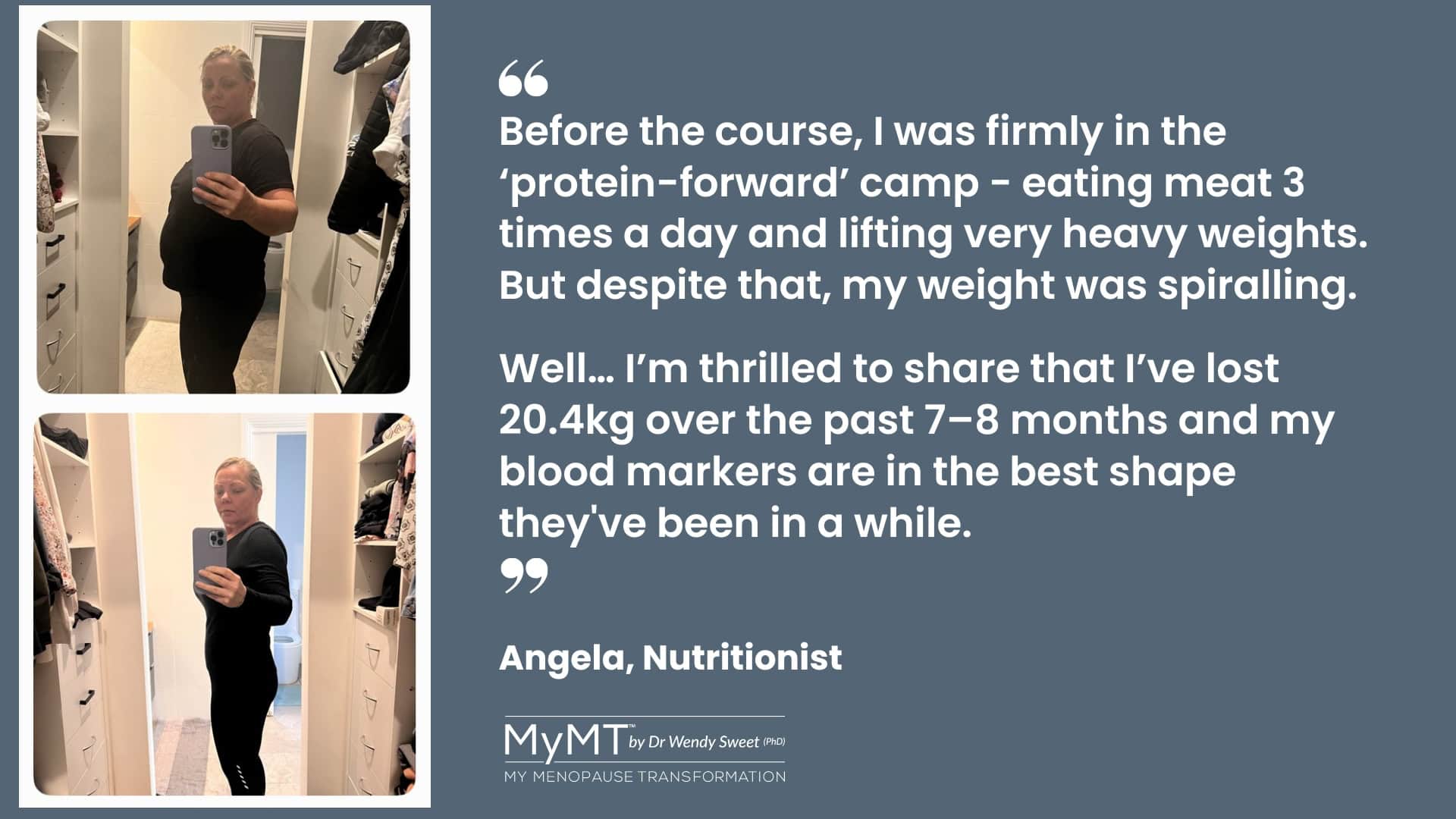
Are you still struggling with your symptoms or weight gain during and after menopause?
If you are still struggling with your symptoms and weight gain, then I hope you can join me in the self-paced, online programmes that I have researched and developed against the scientific evidence for women’s health and ageing during and after the menopause transition.
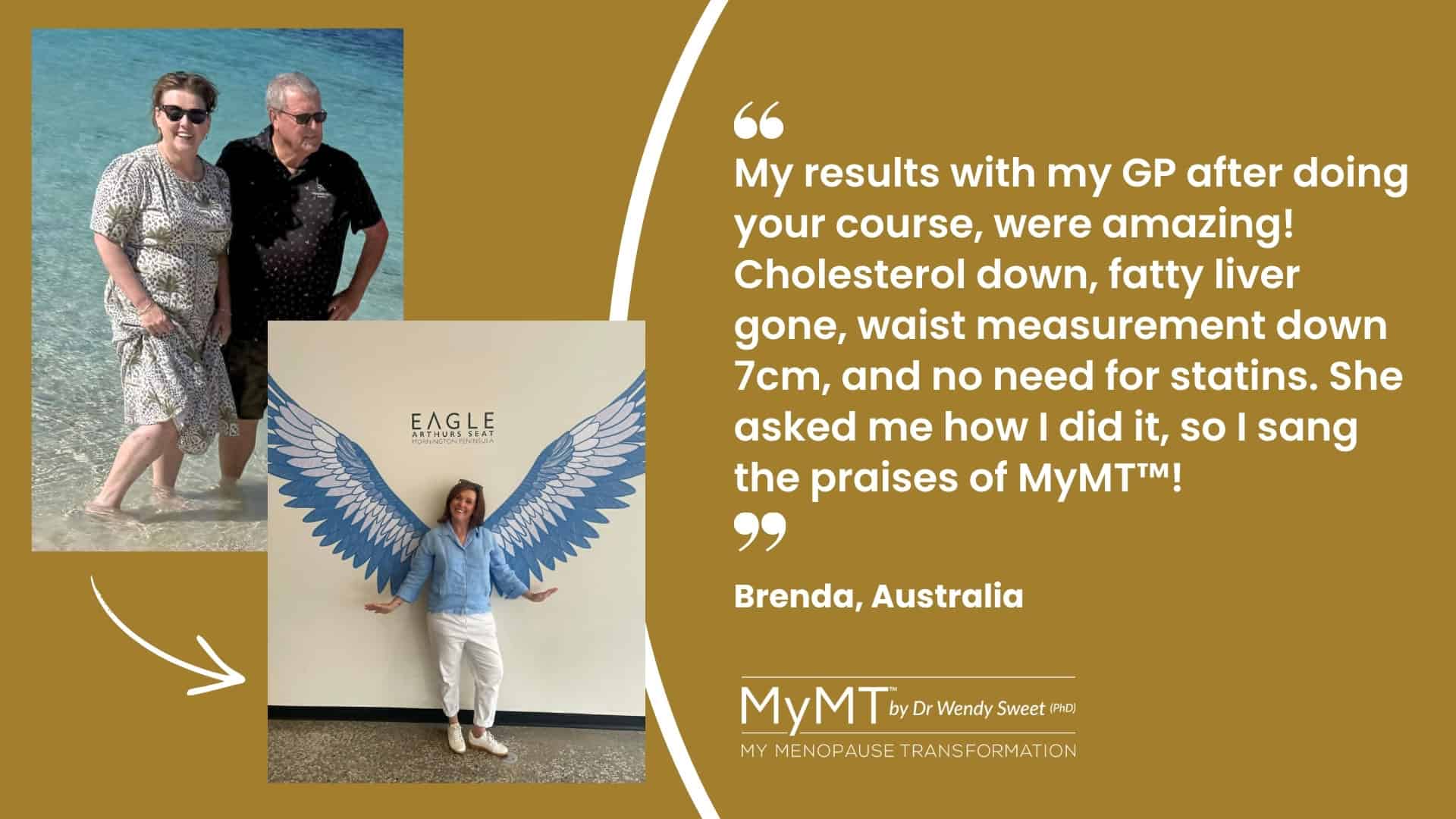
Over 20,000 women globally have now undertaken these programmes and you can visit some of the stories on the SUCCESS STORIES pages as well as the TESTIMONIAL pages.
Women often tell me that the MyMT™ Programmes are their ‘last resort’ and I reassure them that I’m able to be contacted every step of the way for problem-solving too. You can learn more about these powerful world-class programmes HERE.
You only need 60 minutes a week over the 12 weeks to listen to each module that opens up in your private learning hub and then put the changes into action. As well, my private coaching community is where I post regular updates for you and you stay connected with me too.
References:
Akhiyat N, Hellou E, Ozcan I, Alabdul Razzak G, Hajja A, Rajai N, Barzilai N, Lerman LO, Lerman A. Endothelial dysfunction as a feature of vascular aging. Eur J Prev Cardiol. 2025 Oct 10:zwaf544. doi: 10.1093/eurjpc/zwaf544. Epub ahead of print. PMID: 41069066.
Angeli, F., Reboldi, G., Trapasso, M., Aita, A., & Verdecchia, P. (2019). Managing hypertension in 2018: which guideline to follow?. Heart Asia, 11(1), e011127. https://doi.org/10.1136/heartasia-2018-011127
Angela H E M Maas, Giuseppe Rosano, Renata Cifkova, Alaide Chieffo, Dorenda van Dijken, Haitham Hamoda, Vijay Kunadian, Ellen Laan, Irene Lambrinoudaki, Kate Maclaran, Nick Panay, John C Stevenson, Mick van Trotsenburg, Peter Collins, Cardiovascular health after menopause transition, pregnancy disorders, and other gynaecologic conditions: a consensus document from European cardiologists, gynaecologists, and endocrinologists, European Heart Journal, Volume 42, Issue 10, 7 March 2021, Pages 967–984, https://doi.org/10.1093/eurheartj/ehaa1044
Babiker FA, De Windt LJ, van Eickels M, Grohe C, Meyer R, Doevendans PA. Estrogenic hormone action in the heart: regulatory network and function. Cardiovasc Res. 2002;53(3):709-719. doi:10.1016/s0008-6363(01)00526-0
Bond, R.M., Purewal, V., Cameron, N. et al. Hypertension in Women Across the Life Cycle: Unique Aspects and Challenges. Curr Hypertens Rep 28, 14 (2026). https://doi.org/10.1007/s11906-026-01362-x
Coles, L. T., & Clifton, P. M. (2012). Effect of beetroot juice on lowering blood pressure in free-living, disease-free adults: a randomized, placebo-controlled trial. Nutrition journal, 11, 106. https://doi.org/10.1186/1475-2891-11-106
Douma, L. G., & Gumz, M. L. (2018). Circadian clock-mediated regulation of blood pressure. Free radical biology & medicine, 119, 108–114. https://doi.org/10.1016/j.freeradbiomed.2017.11.024
El Khoudary, S. & Nasr, A. (2022). Cardiovascular disease in women: Does menopause matter? Current Opinion in Endocrine and Metabolic Research, Volume 27, 100419.
Huegli, S., & Pechère-Bertschi, A. (2023). Hypertension in Women: What Is Different? Cardiovascular Medicine, 26(3), 74. https://doi.org/10.4414/cvm.2023.02267
Itsiopoulos C, Mayr HL, Thomas CJ. The anti-inflammatory effects of a Mediterranean diet: a review. Curr Opin Clin Nutr Metab Care. 2022 Nov 1;25(6):415-422. doi: 10.1097/MCO.0000000000000872. Epub 2022 Aug 30. PMID: 36039924.
Jones, T., Dunn, E. L., Macdonald, J. H., Kubis, H. P., McMahon, N., & Sandoo, A. (2019). The Effects of Beetroot Juice on Blood Pressure, Microvascular Function and Large-Vessel Endothelial Function: A Randomized, Double-Blind, Placebo-Controlled Pilot Study in Healthy Older Adults. Nutrients, 11(8), 1792. https://doi.org/10.3390/nu11081792
Kateepe-Arachi T. & Sanjay, S. (2016). Cardiovascular Disease in Women: Understanding Symptoms and Risk Factors. European Cardiology Review 2017;12(1):10–3.
Kodoth V, Scaccia S, Aggarwal B. Adverse Changes in Body Composition During the Menopausal Transition and Relation to Cardiovascular Risk: A Contemporary Review. Womens Health Rep (New Rochelle). 2022 Jun 13;3(1):573-581.
Kim MH, Bu SY, Choi MK. Daily calcium intake and its relation to blood pressure, blood lipids, and oxidative stress biomarkers in hypertensive and normotensive subjects. Nutr Res Pract. 2012 Oct;6(5):421-8.
Lima, R., Wofford, M., & Reckelhoff, J. F. (2012). Hypertension in postmenopausal women. Current hypertension reports, 14(3), 254–260. https://doi.org/10.1007/s11906-012-0260-0
Sadeghi M, Khalili M, Pourmoghaddas M, Talaei M. The correlation between blood pressure and hot flashes in menopausal women. ARYA Atheroscler. 2012 Spring;8(1):32-5.
Sánchez-Martínez, L., González-Barrio, R., & Periago, M. J. (2026). The Potential Role of Dietary (Poly)phenols in Cardiometabolic Risk During Menopause: A Narrative Review. Nutrients, 18(7), 1130. https://doi.org/10.3390/nu18071130
Sofi F, Cesari F, Casini A, Macchi C, Abbate R, Gensini GF. Insomnia and risk of cardiovascular disease: a meta-analysis. Eur J Prev Cardiol. 2014 Jan;21(1):57-64.
Sunbul EA, Sunbul M, Tastekin N, Ozben B, Sayar N, Gulec H. Is there any relation between arterial stiffness and insomnia? A challenging question. Sleep Breath. 2022 Mar;26(1):333-338. doi: 10.1007/s11325-021-02445-6. Epub 2021 Jul 24. PMID: 34302608.
Zhou, B., Danaei, G. … Ezzati, M. (2019). Long-term and recent trends in hypertension awareness, treatment, and control in 12 high-income countries: an analysis of 123 nationally representative surveys. The Lancet, 394 doi: 10.1016/S0140-6736(19)31145-6