
Understanding Oxidative Stress and Antioxidants
The introduction of kiwifruit to New Zealand can be traced to a school teacher, Isabel Fraser, who in 1904 returned from a visit to China with seeds [Richardson, Ancell et al, 2018] and planted them in 1906 in Whanganui. They first fruited in 1910 and were named ‘Chinese Gooseberries‘.
In 1959, they were renamed ‘Kiwifruit’ for better international marketing, particularly to the United States.
When a new plant catalogue was sent out to his customers, the history of New Zealand kiwifruit mentions that nurseryman, Hayward Wright, listed the plant as “a wonderful fruiting climber” that ripens over winter. It’s no surprise that today, the New Zealand Hayward cultivar is a leading species of Kiwifruit.
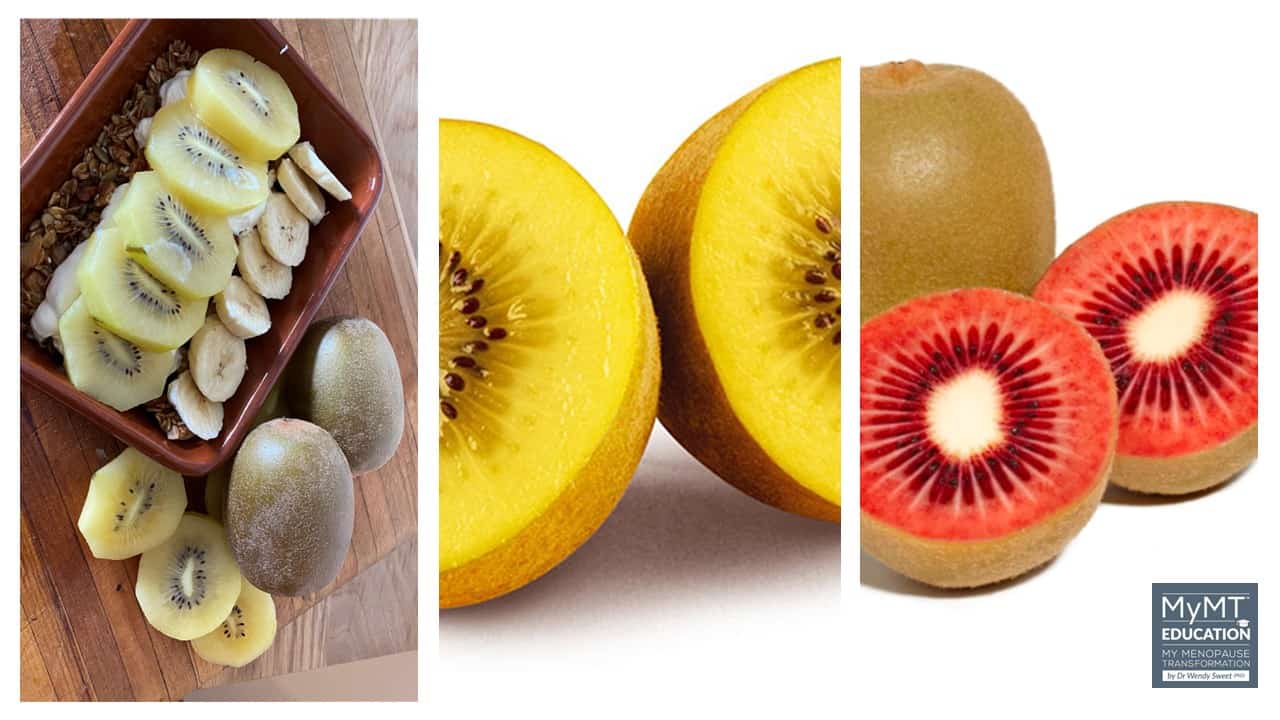
Kiwifruit has been getting my attention this week. Not only because it’s autumn/ fall here in New Zealand and the start of the flu season, but also because the new variety of ruby-red kiwifruit was being talked about in my private coaching group for women on my programmes. One of the ladies had just discovered it at her supermarket.
This opened a discussion in the group about the nutritional evidence emerging from the pandemic and long covid, and how, kiwifruit, epsecially the gold variety, became the ‘star of the show’ when it came to the antioxidant qualities in kiwifruit and improvements in lung function.
Kiwifruit, no matter the colour, is an antioxidant-dense “superfood”.
These oval fruits contain high levels of vitamin C, vitamin E, polyphenols, and carotenoids, inlcuding lutein and zeaxanthin. These compounds neutralize free radicals and reduce oxidative stress – markers of inflammatory changes, which accelerate in the menopause transition.
According to New Zealand’s primary exporter of Kiwifruit, Zespri, the SunGold varieties provide up to six times more vitamin E than oranges.
The Vitamin C (Ascorbic Acid) health benefits of Kiwifruit are well known. Total ascorbic acid content in the Hayward green kiwifruit cultivar are typically between 80 and 120 mg per 100 g fresh weight (Richardson et al, 2018). But it’s the other variety of kiwifruit that caught my attention this week – Kiwifruit Gold.
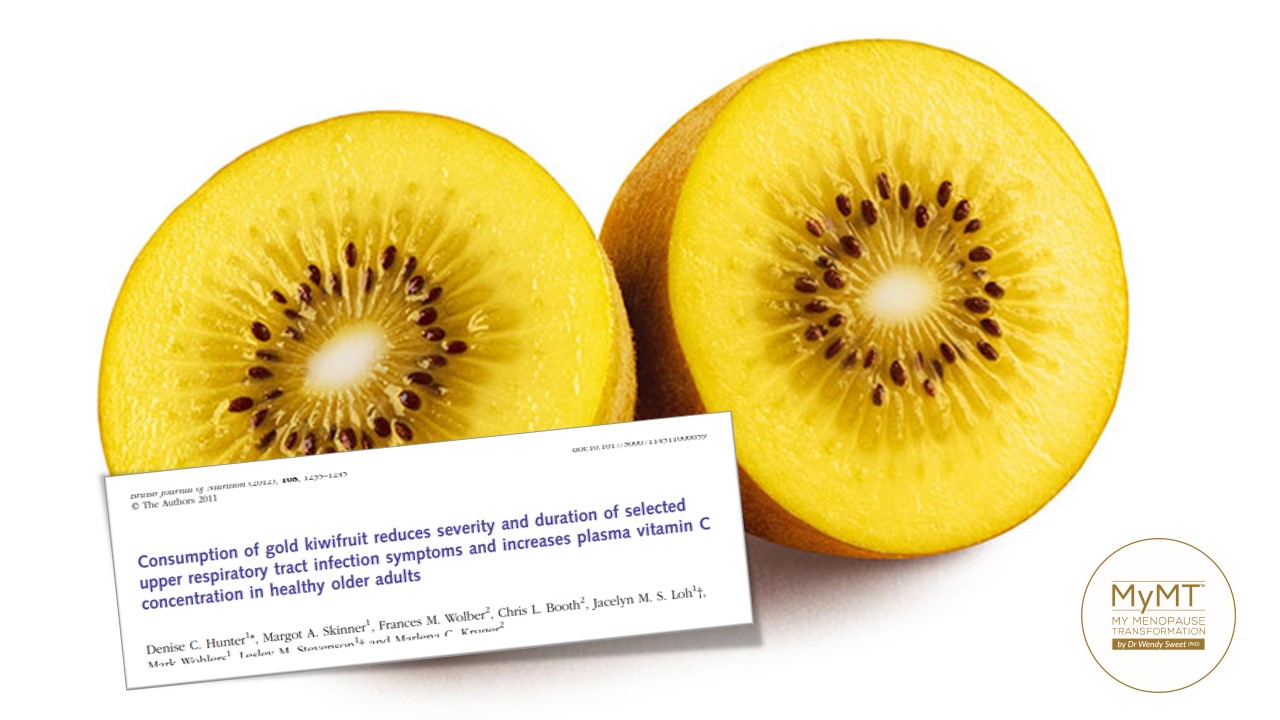
When it comes to reducing the severity and duration of head congestion and the duration of sore throat, compared with eating a banana, Gold Kiwifruit and now a new red varity of kiwifruit won hands down.
Gold kiwifruit significantly increased plasma vitamin C, a-tocopherol (Vitamin E and blood cell (erythrocyteo) folate concentrations. (Hunter, Skinner et al, 2012).
Changing Lung Function in Menopause and Post-Menopause
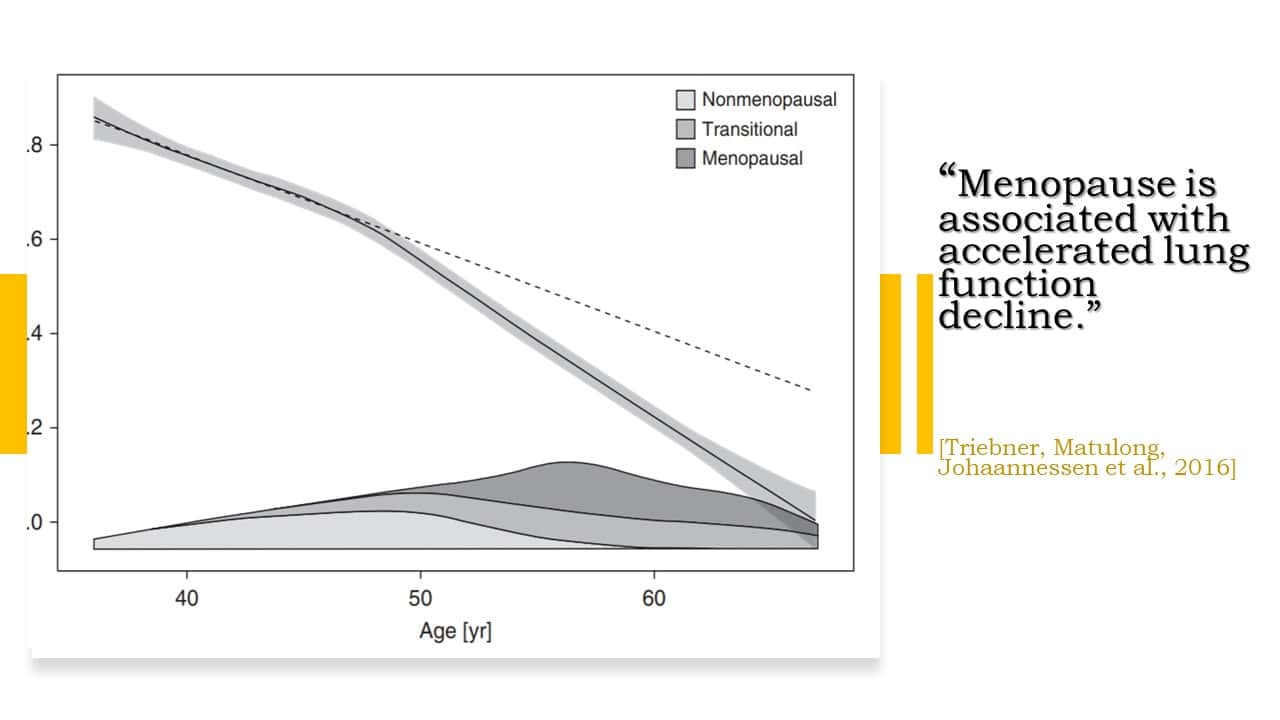
It is well known in health and reproductive science that the menopause transition and subsequent decline in the reproductive hormones, are often accompanied by various physiological, psychological and structural organ changes.
One of these organs is the lungs and airways.
As women progress through menopause, the airways and blood vessels may become ‘stiffer’. The tiny air sacs (alveoli) lose some of their elasticity, making it more difficult for gases to move into the bloodstream.
The result of these changes are often felt as increasing breathlessness and inflammation.
Lung health is associated with Oxidative Stress
Several lung diseases have been associated with oxidative stress.
For many people this is linked to insults such as cigarette smoke, air pollutants and infections, but menopause and the ageing of the lungs and changing ventilatory status is another consideration.
Consequently, dietary factors and specific anti-oxidant nutrients with a potential protective role in the oxidative process and inflammatory response have been researched.
Nutrients that have an anti-inflammatory effect include fruits and vegetables, antioxidant vitamins such as vitamin C, vitamin E, beta-carotene and other carotenoids, vitamin A, fatty acids and some minerals such as sodium, magnesium and selenium. “Cross-sectional and longitudinal studies strongly suggest that long-term vitamin C intake is significantly associated with better lung function” says the Harvard report.
I know that many women struggle with their immune health and their breathing as they move through their menopause transition, especially those who are regular exercisers, or those who aren’t sleeping.
With winter knocking on the door ‘down-under’ this is a reminder about the powerful benefits of adding Kiwifruit to the diet. I have it as a powerful, functional-food snack, or on my muesli/ oats. Sometimes I add it to salads.
This powerful fruit also has digestive benefits and helps with other gastrointestinal disorders, including symptoms of irritable bowel syndrome (IBS).
Numerous women on my programmes have this on their health screening forms.
Nutrition and specific dietary advice has emerged as a controversial topic in many popular media forums, however, the lens that I take an academic view through, is that of women’s health and ageing and the role of oxidative stress in ‘inflammaging’ -a relatively new term that explains the more rapid inflammatory changes that occur with ageing.
This lens elevates the importance of ensuring that women have adequate antioxidant-rich foods in their daily diet. Oxidative damage contributes to numerous changes in the health status of women as they move through their menopause transition into their post-menopause years, especially with their cardio-respiratory health.
This is why their anti-oxidant intake matters too.

References:
Agrawal S, Chakole S, Shetty N, Prasad R, Lohakare T, Wanjari M. Exploring the Role of Oxidative Stress in Skeletal Muscle Atrophy: Mechanisms and Implications. Cureus. 2023 Jul 20;15(7):e42178. doi: 10.7759/cureus.42178. PMID: 37602126